

The Ultimate Oahu Travel Guide 2026: Everything to Know
Planning a Hawaiian vacation can feel incredibly overwhelming when you are trying to balance relaxation with thrilling island adventures. You want to experience authentic Polynesian culture, pristine turquoise beaches, and world-class dining without falling into the typical expensive tourist traps. Navigating the sheer volume of activities requires a solid strategy to ensure you do not miss out on the magic of the Gathering Place.
This comprehensive Oahu travel guide is your ultimate blueprint for crafting a flawless, stress-free island getaway in 2026. We break down the exact logistics, hidden local gems, and essential pricing details you need to optimize every single day of your trip. Get ready to stop stressing over endless internet searches and start building an unforgettable Hawaiian itinerary.
Why Should Oahu Be the Starting Point of Your Hawaiian Adventure?
Oahu is the only island that offers a seamless transition between a bustling, modern metropolis and untouched tropical serenity. This unique duality makes it the absolute perfect gateway for first-time visitors seeking diverse experiences.
Oahu perfectly blends vibrant city life with untouched tropical nature.
Oahu holds roughly 70% of Hawaii’s population, offering unparalleled infrastructure while still protecting thousands of acres of lush, raw wilderness.
Stepping off the plane in Honolulu immediately plunges you into a dynamic, energetic hub filled with incredible luxury shopping and five-star culinary masterpieces. However, just a thirty-minute drive outside this urban center completely transforms the landscape into towering emerald mountains and quiet, sweeping coastlines. You never have to choose between the comfort of modern amenities and the thrill of raw, untouched nature.
This stunning contrast ensures that every type of traveler can find their ideal vacation rhythm within a single day. You can spend your morning hiking through dense, muddy jungle trails and your evening sipping craft cocktails at a chic rooftop bar in Waikiki. It is this incredible versatility that solidifies Oahu as the ultimate foundation for any Hawaiian vacation.
The Gathering Place offers the most diverse range of activities for every traveler.
Whether you are a hardcore adrenaline junkie or a family traveling with toddlers, the island provides a relentless menu of accessible adventures. History buffs can spend hours exploring the somber, meticulously preserved historical sites at Pearl Harbor and the USS Arizona Memorial. Meanwhile, water enthusiasts can plunge into the crystal-clear waters of Hanauma Bay for world-class snorkeling among vibrant coral reefs.
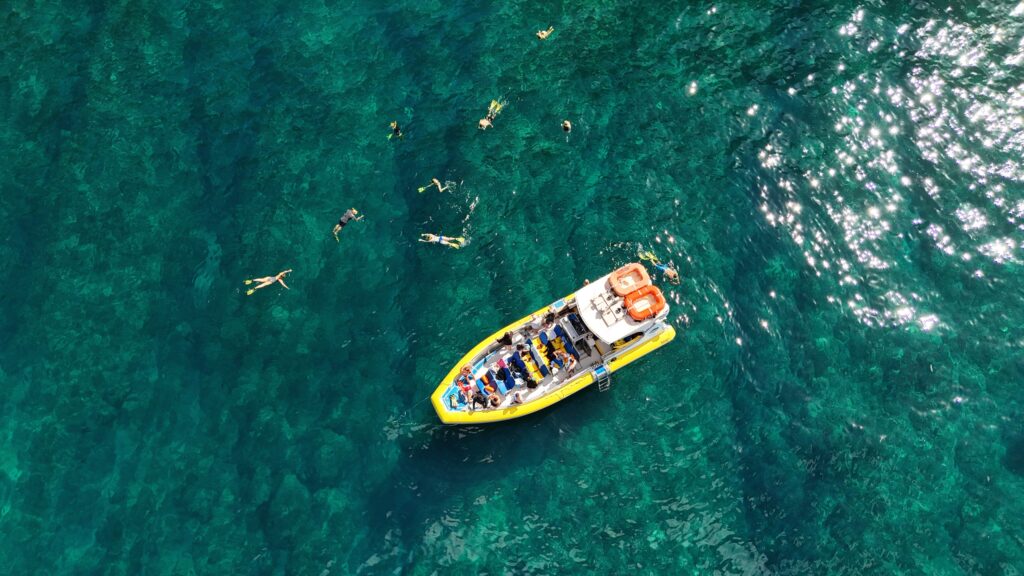
Beyond the ocean, the island boasts rich cultural experiences, from authentic luau celebrations to exploring the historic Iolani Palace downtown. Foodies will find themselves completely overwhelmed by the explosive fusion of traditional Hawaiian, Japanese, and modern American flavors scattered across the island. Every single day presents a brand-new opportunity to step far outside your comfort zone and try something completely extraordinary.
When Is the Absolute Best Time to Visit Oahu?
Spring and fall provide the optimal balance of perfect weather and manageable crowds.
The ‘Shoulder Seasons’ (April to May and September to November) offer hotel rates up to 20% cheaper than the peak winter months.
Identifying the best time to visit Oahu ultimately comes down to balancing your desire for endless sunshine with your tolerance for heavy tourist traffic. The shoulder seasons deliver consistently warm, pleasant temperatures hovering in the low eighties while avoiding the chaotic rush of summer families. This sweet spot allows you to secure highly coveted dinner reservations and beachside cabanas without fighting the typical Waikiki crowds.
During these magical transitional months, the ocean waters remain incredibly calm and inviting for casual swimmers and beginner surfers. You will also notice a significant drop in flight prices and rental car daily rates, making your budget stretch much further. Planning your trip around these specific months is the ultimate hack for experiencing a luxurious Hawaiian vacation at a highly reasonable price point.
Winter brings legendary big-wave surfing conditions to the famous North Shore.
If you are fascinated by raw, terrifying ocean power, the winter months from December through February transform the island into a surfer’s paradise. Massive swells pound the northern coastline, drawing the absolute best professional surfers from across the globe to compete in prestigious tournaments. Watching thirty-foot waves crash against the shore from the safety of the sandy beach is a humbling, once-in-a-lifetime spectacle.
| Season | Avg. Temperature | Rainfall Level | Crowd Size | Best For |
|---|---|---|---|---|
| Spring (Mar-May) | 78°F - 83°F | Low | Moderate | Budget travel, calm beaches |
| Summer (Jun-Aug) | 81°F - 88°F | Very Low | Peak/High | Family trips, guaranteed sun |
| Fall (Sep-Nov) | 79°F - 85°F | Moderate | Low | Snorkeling, cultural festivals |
| Winter (Dec-Feb) | 75°F - 80°F | High | Peak/High | Big wave surfing, whale watching |
However, visiting during winter requires careful planning as hotel prices skyrocket and frequent rain showers hit the windward side of the island. You must pack a light rain jacket and maintain a flexible schedule, as ocean conditions can prompt sudden beach closures for safety. Despite the higher costs and unpredictable rain, experiencing the vibrant energy of the winter surf season remains completely unforgettable.
How Can You Navigate and Get Around Oahu Efficiently?
Oahu’s transportation network is robust, but choosing the right method depends heavily on your daily itinerary. Balancing a rental car for distant excursions with public transit for city days saves you significant money and hassle.
Renting a car remains the superior choice for exploring beyond Waikiki.
Expect to pay between $50 and $90 per day for a standard rental car, not including overnight hotel parking fees which can easily top $40 a night.
Securing your own vehicle unlocks the ultimate freedom to chase the sunrise on the windward coast or discover hidden northern beaches. You are no longer bound by strict bus schedules or expensive guided tour timelines, allowing for totally spontaneous detours. It is the absolute best way to experience the island’s lush scenic routes and off-the-beaten-path attractions at your own leisurely pace.
However, keeping a car in Honolulu requires careful budget planning due to exorbitant overnight parking rates at most major Waikiki resorts. To optimize your expenses, consider renting a vehicle for just two or three days strictly dedicated to your longer island-hopping excursions. This strategic approach gives you the mobility you need without draining your vacation fund on completely unnecessary daily parking fees.
The Honolulu bus system and Waikiki Trolley offer excellent budget-friendly alternatives.
If you plan to spend the majority of your time lounging around the southern shores, public transportation is incredibly efficient and accessible. The official transit system, TheBus, covers nearly every major tourist destination on the island for a remarkably low flat fare of just three dollars. It is a fantastic, stress-free option for navigating the dense, traffic-heavy streets of downtown Honolulu without the frustrating headache of finding parking.
Additionally, the iconic open-air Waikiki Trolley provides a highly entertaining and scenic way to hop between major shopping centers and coastal attractions. Purchasing a multi-day trolley pass grants you unlimited rides across multiple lines, perfectly connecting you to iconic spots like Diamond Head and Ala Moana. Relying on these robust local transit networks allows you to sit back, enjoy the warm ocean breeze, and truly embrace island time.
Which Places to Visit in Oahu Deserve Top Priority on Your Trip?
Narrowing down the island’s countless attractions can feel impossible when every single corner boasts a picturesque postcard view. Segmenting your itinerary by distinct geographical regions ensures you experience the absolute best historical, cultural, and natural highlights.
Waikiki and Honolulu serve as the energetic cultural heartbeat of the island.
Waikiki Beach attracts over 4 million visitors annually, making it the bustling epicenter of Hawaiian tourism, luxury shopping, and vibrant nightlife.
When researching the best places to visit in Oahu, the dynamic southern shore demands your immediate attention. Downtown Honolulu is steeped in fascinating royal history, proudly housing the majestic Iolani Palace, the only royal residence located on US soil. Spending an afternoon exploring these historical corridors offers a profound, humbling understanding of Hawaii’s incredibly rich and complex cultural heritage.
Just a few miles away, the golden sands of Waikiki Beach provide endless opportunities for beginner surfing lessons and sunset catamaran cruises. As evening approaches, the main strip of Kalakaua Avenue transforms into a bustling paradise of upscale dining and lively street performers. It is the ultimate location to sip a classic Mai Tai while watching the blazing sun dip below the shimmering Pacific horizon.
The North Shore delivers authentic, laid-back surf culture and iconic food trucks.
Leaving the bustling city behind, the fabled North Shore feels like stepping onto an entirely different, incredibly relaxed and rustic island. This charming coastline ditches towering resorts for quiet, sandy stretches like Waimea Bay and Sunset Beach, legendary for their massive winter swells. It is the perfect escape for travelers craving a slow, bohemian vibe focused entirely on the raw beauty of the mighty Pacific Ocean.
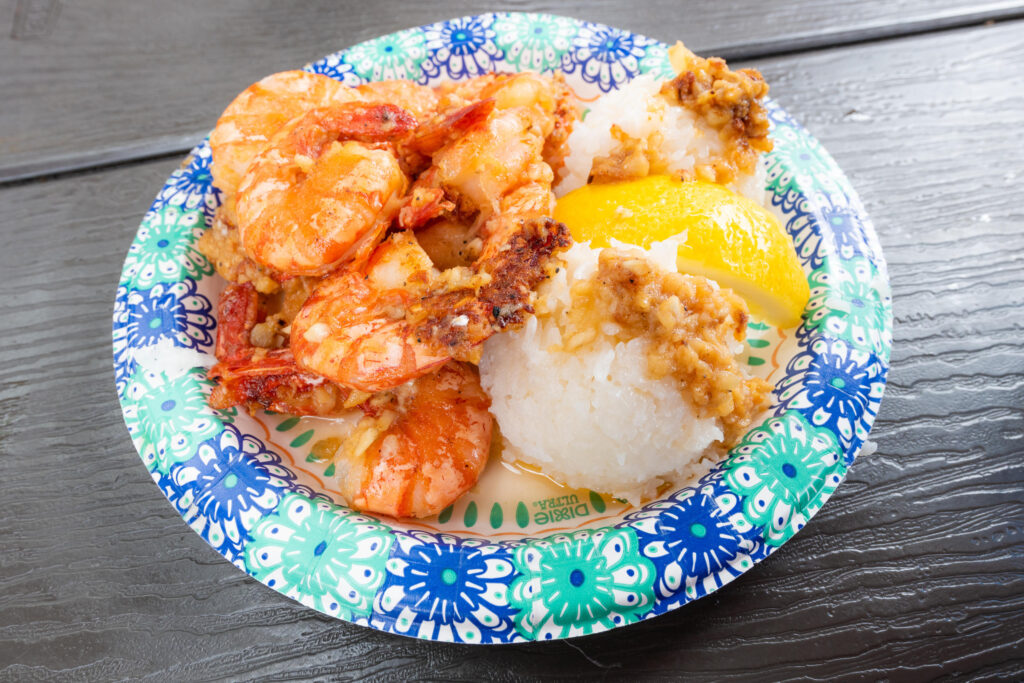
Beyond the legendary surfing spots, this region is globally recognized for its vibrant and highly diverse food truck scene. Grabbing a massive plate of buttery garlic shrimp from Giovanni’s or a refreshing shave ice from Matsumoto’s is an absolute must-do experience. Strolling through the charming, historic surf town of Haleiwa perfectly caps off a day spent fully embracing the true, authentic Aloha spirit.
The Windward East Coast features jagged lush mountains and tranquil turquoise bays.
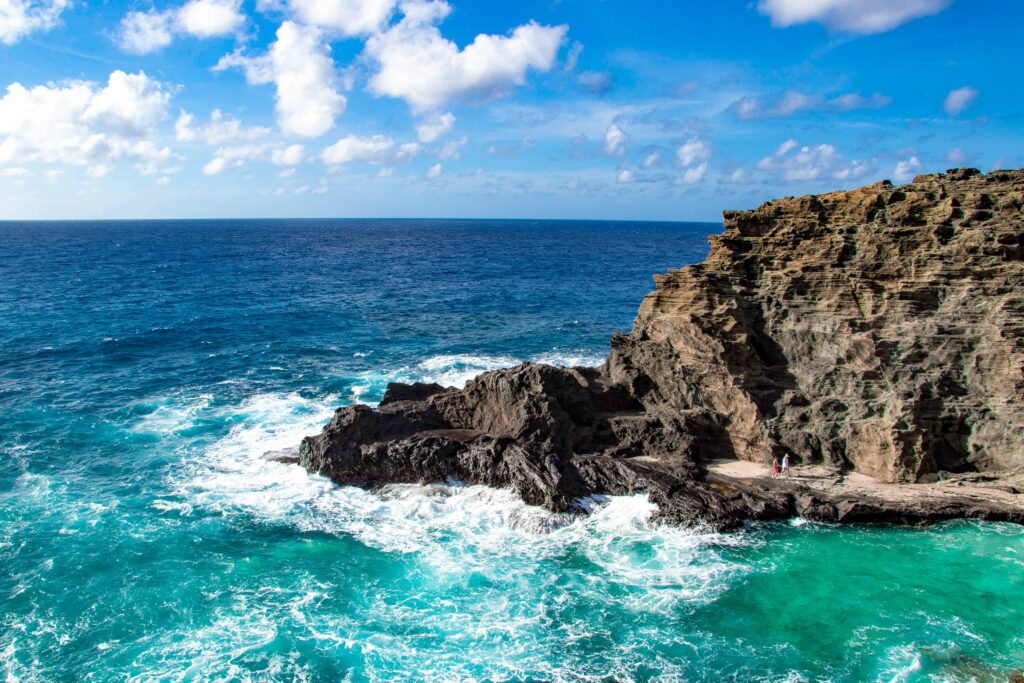
The eastern shoreline of Oahu is arguably the most visually stunning region, defined by the dramatic, fluted cliffs of the Ko’olau Mountain Range. Driving along the scenic Kalaniana’ole Highway reveals jaw-dropping coastal lookouts, including the famous Halona Blowhole and the picturesque Makapu’u Point Lighthouse. This lush, rain-fed side of the island provides incredibly rich, vibrant green landscapes that completely contrast with the drier western shores.
Here, you will find Lanikai Beach, which is frequently ranked as one of the most beautiful and pristine beaches in the entire world. Its powdery white sand and incredibly calm, crystal-clear waters make it a premier destination for kayaking out to the nearby Mokulua Islands. Dedicating a full day to exploring this windward paradise guarantees some of the most spectacular vacation photographs you will ever capture.
What Does a Perfectly Balanced Oahu Itinerary Look Like?
Crafting a realistic daily schedule is the secret to maximizing your Hawaiian vacation without suffering from severe travel burnout. A well-structured plan perfectly balances high-energy morning adventures with lazy, sun-soaked afternoons by the ocean.
A fast-paced 5-day trip covers the absolute essential highlights of the island.
A standard 5-day trip should dedicate two days to Waikiki/Honolulu, one day to the North Shore, one day to the East Coast, and one flex day for specific tours.
For travelers with limited time, an aggressive but highly rewarding five-day Oahu itinerary allows you to conquer the island’s most famous landmarks. You will want to front-load your schedule with early morning activities like visiting Pearl Harbor or hiking the Diamond Head crater. This ensures you beat the massive midday crowds while securing plenty of time for afternoon relaxation on the beach.
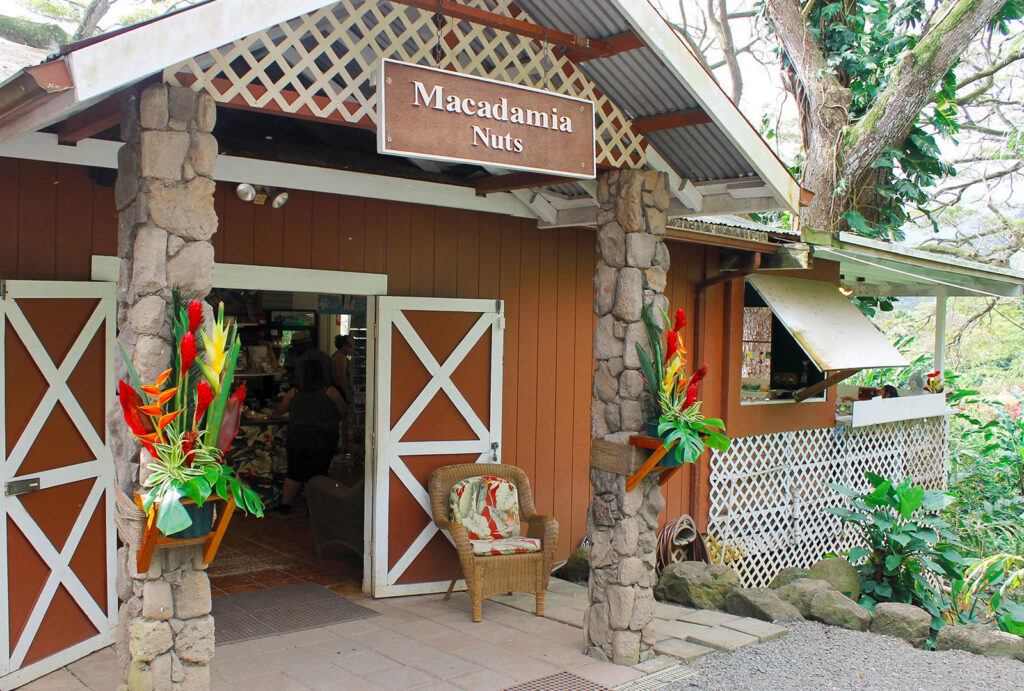
Dedicating an entire day to driving up the scenic eastern coastline is an absolute non-negotiable for this shorter timeframe. You can easily hit the Halona Blowhole, grab fresh macadamia nuts at a local farm, and end the afternoon snorkeling at Sharks Cove. Keeping your daily geographic focus tight prevents you from wasting precious vacation hours trapped in the island’s notorious rush-hour traffic.
Even on a tightly compressed schedule, you absolutely must leave room for spontaneous local discoveries and quiet moments. Overbooking every single hour with expensive guided tours is a guaranteed recipe for immediate exhaustion and family arguments. Embrace the concept of ‘island time’ by leaving your evenings completely open for casual sunset strolls and flexible dining choices.
Expanding to 7 days allows for deeper cultural immersion and crucial relaxation time.
Upgrading to a full week on the island completely transforms the pace and quality of your Hawaiian adventure. A seven-day trip provides the luxurious freedom to revisit your favorite hidden beaches or sleep in late without feeling guilty. You finally have the necessary bandwidth to transition away from pure sightseeing and truly immerse yourself in the local lifestyle.
This extended timeline is absolutely perfect for venturing into the rugged, majestic landscapes of the Kualoa Ranch for a horseback ride or ATV tour. You can also dedicate a full day to exploring the lesser-known western leeward coast, where stunning white-sand beaches remain relatively untouched by tourists. It allows you to step off the heavily beaten path and discover the quiet, authentic magic of the Gathering Place.
Furthermore, a week-long stay gives you the buffer needed to handle unexpected tropical rainstorms or spontaneous beach closures. If a winter swell suddenly washes out your planned snorkeling trip, you have plenty of alternative days to reschedule. This added flexibility drastically reduces your overall travel anxiety, ensuring you return home feeling genuinely rejuvenated and refreshed.
Where Are the Best Areas to Stay Depending on Your Travel Style?
Choosing the right neighborhood to act as your home base completely dictates the daily logistics and overall vibe of your trip. Whether you demand five-star luxury or crave a rustic jungle hideaway, the island offers distinct regions tailored to specific budgets.
Waikiki resorts offer unparalleled convenience, dining, and immediate beach access.
Staying in Waikiki means you are within a ten-minute walking distance of over 100 top-tier restaurants, massive shopping centers, and public transit hubs.
For first-time visitors and travelers who thrive in an energetic, urban environment, Waikiki is undeniably the most practical place to stay. You are immediately surrounded by endless towering hotels ranging from budget-friendly boutique rooms to ultra-luxurious oceanfront penthouse suites. This central hub completely eliminates the immediate need for a rental car, saving you significant money on transportation during your initial arrival.
Stepping right out of your hotel lobby directly onto the soft, warm sands of Waikiki Beach is an incredibly luxurious convenience. When the sun goes down, the entire neighborhood erupts with live street music, vibrant tiki bars, and phenomenal oceanfront dining options. It is the absolute best location for groups who want constant entertainment, easy accessibility, and a highly social nightlife scene.
Ko Olina provides luxurious, family-friendly tranquility on the sunny leeward coast.
If you want to completely escape the frantic energy of Honolulu while maintaining premium five-star amenities, Ko Olina is your ultimate sanctuary. Located on the sun-drenched western coast, this master-planned resort community features incredibly calm, man-made ocean lagoons perfect for young swimmers. The pristine, highly manicured environment feels distinctly exclusive, drawing travelers who prioritize high-end comfort and deep relaxation above all else.
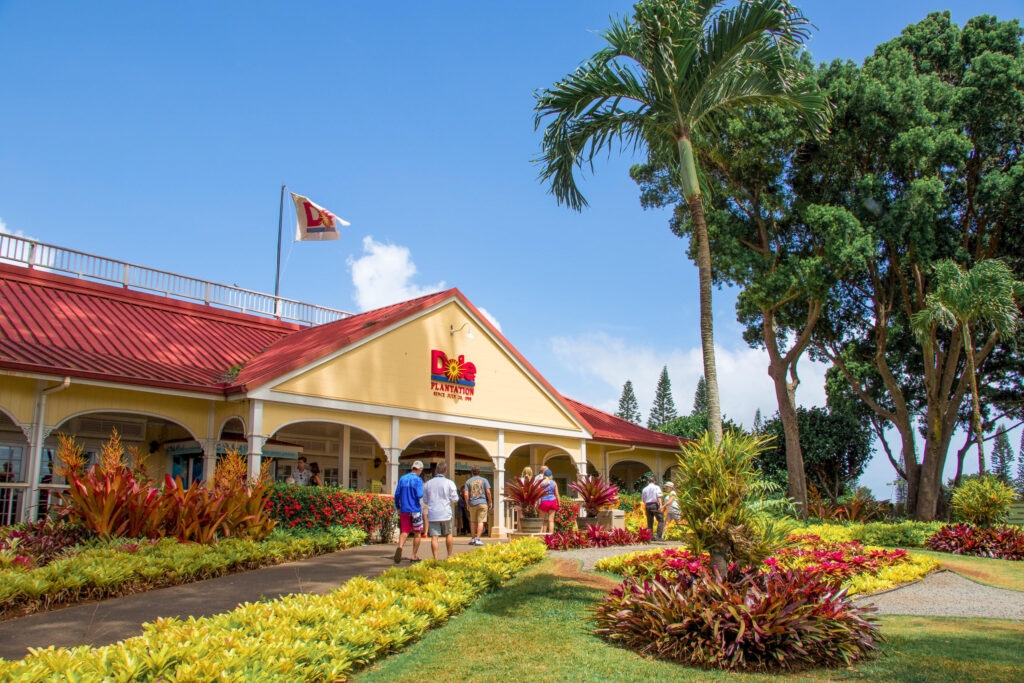
This stunning resort area is home to iconic luxury properties like the Four Seasons and Disney’s Aulani resort. Families absolutely adore this region because the protected lagoons ensure that toddlers and beginner snorkelers can safely enjoy the ocean year-round. While you are isolated from the main tourist hubs, you gain an unparalleled level of serene, quiet luxury that Waikiki simply cannot offer.
Because Ko Olina is tucked away on the western side of the island, having a rental car is highly recommended for exploring outside the resort bubble. However, many visitors find the exceptional on-site dining, world-class golf courses, and private luaus entirely sufficient for their entire vacation. It is the perfect destination for travelers seeking a flawless, high-end ‘fly and flop’ tropical getaway.
Turtle Bay and the North Shore cater to travelers seeking a secluded retreat.
For couples, honeymooners, and hardcore nature lovers, anchoring your trip on the legendary North Shore provides an entirely different, incredibly romantic atmosphere. The massive, sprawling Turtle Bay Resort acts as the crown jewel of the region, offering luxurious oceanfront bungalows and private horseback ocean tours. It completely immerses you in the island’s wild, untamed beauty while keeping premium modern comforts easily within arm’s reach.
Staying on this side of the island means trading upscale shopping malls for rustic surf shops and quiet, densely forested hiking trails. You will wake up to the thunderous, majestic sound of crashing winter waves rather than the blaring sirens of a busy city street. It is an incredibly peaceful, grounding experience that allows you to genuinely connect with the raw, spiritual power of the Hawaiian landscape.
Renting a cozy, private beach house in the surrounding neighborhoods of Pupukea or Haleiwa is another wildly popular option for extended stays. This allows you to fully integrate into the laid-back local surf community, cooking your own meals with fresh ingredients from nearby farmers’ markets. While it requires longer drives to hit major historical sights, the unparalleled serenity of the North Shore is absolutely worth the extra mileage.
What Essential Packing and Cultural Tips Must You Know Before Landing?
Arriving in Hawaii totally unprepared can lead to embarrassing cultural faux pas and completely avoidable expenses. Understanding basic island etiquette and packing specifically for diverse tropical microclimates guarantees a smooth, highly respectful vacation.
Respecting the local Hawaiian culture and delicate environment is your absolute top priority.
Hawaii enforces strict laws banning sunscreens containing oxybenzone and octinoxate to protect its fragile, highly endangered coral reef ecosystems.
The true essence of Hawaii lies in the profound, sacred concept of ‘Aloha,’ which extends far beyond a simple island greeting. It signifies deep, mutual respect for the local communities, their ancestral lands, and the delicate ocean ecosystems you are visiting. Approaching your vacation with genuine humility and a completely open willingness to learn ensures you are welcomed warmly as a guest.
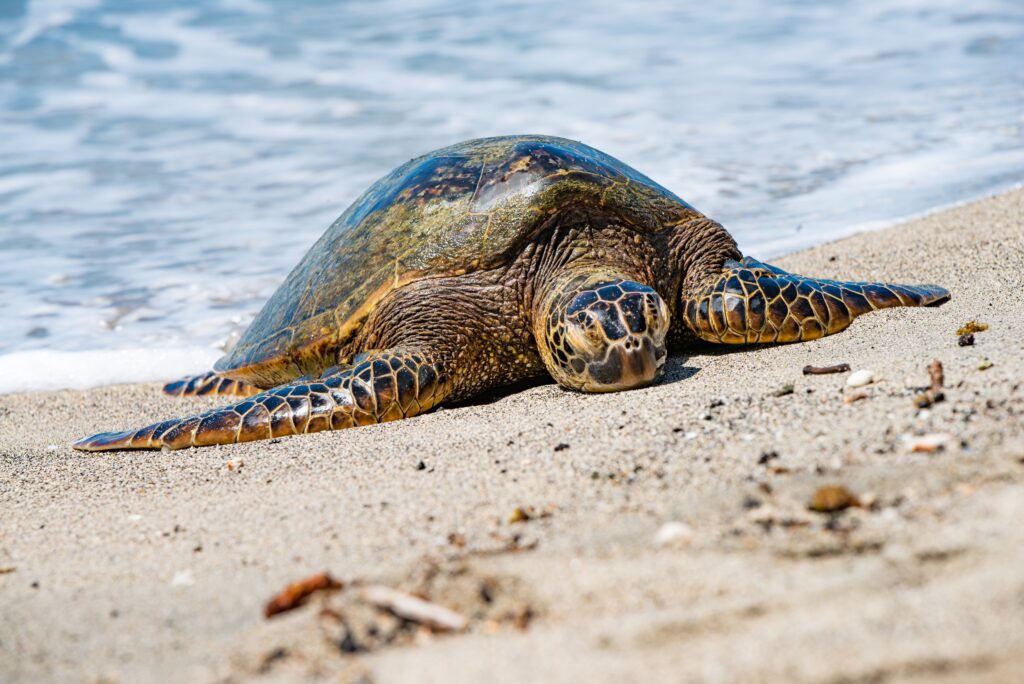
Never touch, chase, or harass endangered wildlife like the Hawaiian monk seals and green sea turtles, locally known as honu. State and federal laws mandate strictly keeping a minimum distance of ten feet from these magnificent creatures at all times. Simply observing them quietly from afar preserves their natural habitat and saves you from facing massive, vacation-ruining federal fines.
Packing the right gear prevents unnecessary stress and expensive island purchases.
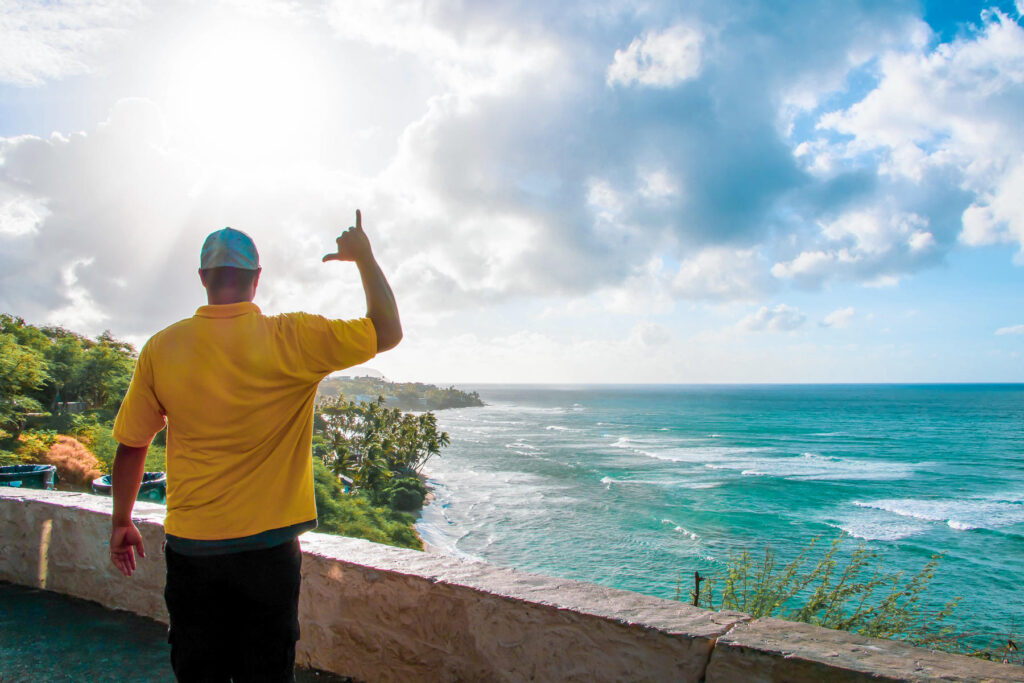
Buying basic beach gear at Waikiki convenience stores comes with an enormous island markup that quickly drains your daily budget. Coming fully prepared with your own reusable water bottles, sturdy hiking sandals, and UV-protective rash guards is a massive financial lifesaver. This proactive approach allows you to step off the plane and immediately plunge into the ocean without a frantic shopping trip.
- Reef-Safe Sunscreen: Ensure your lotion is 100% mineral-based (zinc oxide or titanium dioxide) to fully comply with state environmental laws.
- Sturdy Hiking Footwear: Essential for safely navigating muddy, incredibly uneven trails like Manoa Falls where standard flip-flops are completely dangerous.
- Lightweight Rain Jacket: A mandatory item for handling sudden, highly unpredictable tropical downpours on the lush windward coast.
- Reusable Water Bottle: Stay deeply hydrated in the intense sun while completely reducing your reliance on harmful single-use plastics.
- Waterproof Dry Bag: Perfectly protects your expensive electronics and rental car keys while kayaking or lounging on sandy beaches.
- Basic Driving Etiquette: Never honk your horn in traffic unless it is an absolute safety emergency; ‘Aloha driving’ requires extreme patience.
How Much Should You Budget for an Unforgettable Oahu Vacation?
Hawaii is notoriously one of the most expensive travel destinations globally, but a massive budget is not strictly required. Setting realistic financial expectations and utilizing smart, local spending hacks allows you to enjoy paradise without draining your savings.
Setting realistic daily budgets ensures a completely stress-free Hawaiian getaway.
A typical mid-range Oahu vacation generally costs around $250 to $350 per person, per day, excluding your initial round-trip flight expenses.
Calculating an accurate travel budget entirely depends on your personal tolerance for luxury and your appetite for expensive guided excursions. Accommodation usually consumes the absolute largest portion of your funds, with standard Waikiki hotel rooms easily averaging three hundred dollars a night. When you heavily factor in rental cars, daily resort fees, and upscale dining, the final price tag can climb incredibly fast.
To completely avoid massive credit card shock, you must firmly establish specific daily limits for food, transportation, and discretionary spending before landing. Allocating your money toward two or three high-impact ‘splurge’ experiences, like a premium luau or a helicopter tour, creates massive vacation value. For the remaining days, you can heavily rely on deeply affordable, entirely free beach activities to perfectly balance your financial spreadsheet.
Leveraging local dining gems and free nature spots significantly lowers your total expenses.
You absolutely do not need to dine at high-end oceanfront steakhouses every single night to experience the incredible culinary magic of Oahu. Seeking out neighborhood plate lunch counters, tiny poke shacks, and massive grocery store deli sections offers incredibly delicious, deeply authentic meals. These hidden, budget-friendly local spots frequently serve massive portions large enough to split, instantly cutting your daily food expenses directly in half.
Fortunately, the absolute greatest attractions on the island, including its world-class white sand beaches and stunning hiking trails, are completely free. Spending a full day swimming at Waimea Bay or hiking the majestic Lanikai Pillbox trail costs you absolutely nothing but physical effort. By heavily prioritizing these breathtaking natural wonders, you can effortlessly maintain a surprisingly frugal budget without ever feeling like you are missing out.
Crafting your perfect 2026 Oahu vacation ultimately comes down to perfectly balancing thrilling island adventures with intentional, restorative relaxation. By leveraging smart budgeting tactics, respecting the local Hawaiian culture, and confidently venturing far beyond Waikiki, you guarantee an absolutely unforgettable tropical getaway. Use this comprehensive guide to officially lock in your flights and start mapping out your dream daily itinerary today. For even more expert tips on seamlessly exploring the rest of the spectacular Aloha State, dive deeply into our massive Hawaii Travel Guide A-Z to complete your ultimate trip planning.